 Shared by @ffcosta.bsky.social ↗
 forbes.com45m ago
 Shared by @ffcosta.bsky.social ↗
 howtogeek.com47m ago
 Shared by @miamiherald.com ↗
 bit.ly49m ago
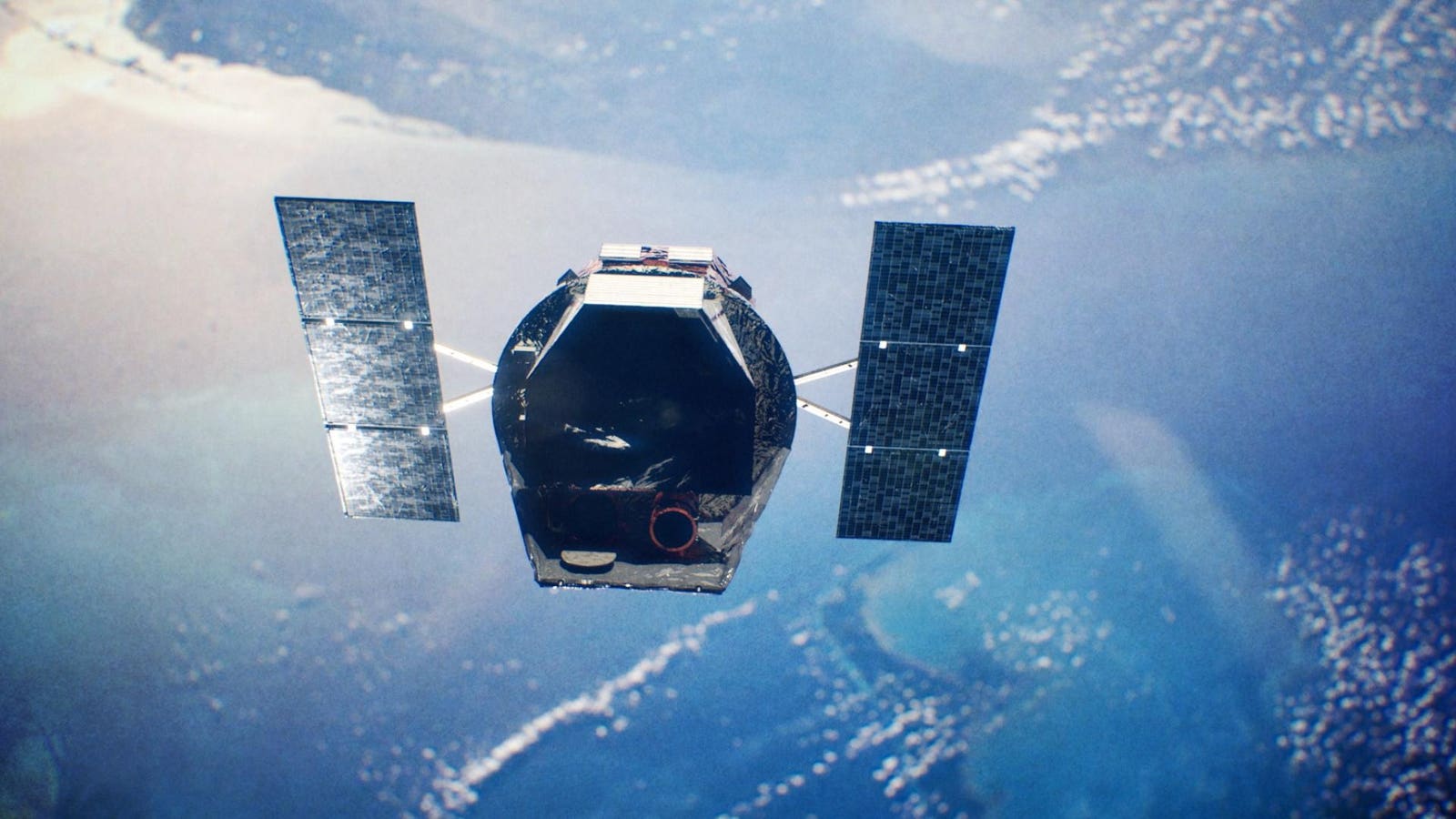
Arizona-based startup Katalyst Space Technologies is racing to save NASA's aging Neil Gehrels Swift Observatory from burning up in Earth's atmosphere by developing a spacecraft that will boost the satellite back to a safe altitude. Swift, launched in 2004, has been studying gamma-ray bursts and other cosmic explosions for nearly two decades, but is now falling out of orbit due to atmospheric drag worsened by recent intense solar activity, Forbes reported. Katalyst's LINK spacecraft will launch from a Pegasus rocket deployed from an airplane in the Marshall Islands, with liftoff possible as early as this week, according to The Independent. The $30 million salvage operation, funded by NASA, involves a three-armed robotic vehicle designed to rendezvous with the telescope and push it into a higher orbit, extending its operational life. Forbes noted that the entire mission is being compressed into an accelerated 250-day development timeline. "The spacecraft is falling out of orbit due to atmospheric drag, worsened by recent intense solar activity," Forbes reported, highlighting the urgency of the rescue as Swift drifts toward reentry. The Independent described the hardware as a "three-armed robotic spacecraft," capable of grappling and boosting the observatory. "NASA is undertaking a rescue mission to save its aging Swift Observatory, which is at risk of falling back to Earth," The Independent added, noting that the operation is a rare attempt to salvage a satellite past its original design life. Flics reported that Katalyst Space Technologies is "working to save NASA's aging Neil Gehrels Swift Observatory from burning up in Earth's atmosphere" by developing a spacecraft that would rendezvous and boost it. If successful, the mission could pave the way for future on-orbit servicing of other aging science satellites, a capability that has largely been limited to communications and government spacecraft.
This article covers a podcast episode where host Maria Varmazis discusses PwC's recent study on space sector supply chain limitations with Doug Anderson (PwC Partner) and Steve Jordan-Tomaszewski (AIA Vice President). The conversation focuses on the outdated and ineffective suppl
 thecyberwire.com·Tech by Flipboard·49m ago·1 min read
A maker named PushpendraC2 has created a 3D-printed smartphone stand designed to combat phone addiction. The stand uses a tactile button to detect when a phone is placed on it, and includes smart features to discourage users from constantly picking up their device. The concept ai
 hackaday.com·Tech by Flipboard·49m ago·2 min read

 Shared by @bigearthdata.ai ↗
 thestar.com.my52m ago
 Shared by @kotaku.com ↗
 kotaku.com54m ago
 Shared by @earhart.bsky.social ↗
 share.google55m ago
 Shared by @bgrcom.bsky.social ↗
 bgr.com57m ago
 Shared by @windywyoming.bsky.social ↗
 cnn.com57m ago
 Shared by @undercode.bsky.social ↗
 undercodetesting.com57m ago
 Shared by @mattsayar.com ↗
 mattsayar.com59m ago
 Shared by @andrewcwhite.bsky.social ↗
 theramm.transparencycascade.org1h ago
 Shared by @aussienews.bsky.social ↗
 theage.com.au1h ago
 Shared by @patriciadudek.bsky.social ↗
 siliconrepublic.com1h ago